GIVE US A CALL! 1 (800) 363-ALARM (2527)
Free Shipping On Most Orders Over $250 - Some Exclusions Apply




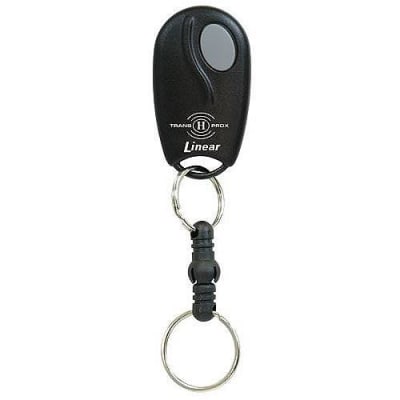



Shop security transmitters for intrusion alarm systems and compatible security devices. Our selection includes wireless transmitters, contact transmitters, universal transmitters, and alarm sensor transmitters designed to communicate sensor conditions to compatible security control panels and receivers. Choose the right transmitter based on your alarm platform, sensor type, wireless technology, input configuration, and installation requirements.
Security transmitters provide wireless communication between compatible security sensors and an intrusion alarm system. Depending on the model, a transmitter can monitor a door or window contact, connect an external sensor, or provide a wireless interface for compatible hardwired detection devices.
When selecting a transmitter, verify compatibility with the security control panel, receiver, wireless protocol, sensor input, and required supervision features. Manufacturer-specific wireless platforms may use dedicated communication technologies and should be matched with compatible equipment.
Wireless transmitters provide flexible installation for security sensors without requiring a dedicated wired connection between the sensor and the control panel. Wireless transmitters are commonly used with door and window contacts, perimeter sensors, and other compatible intrusion detection devices.
Depending on the system, wireless transmitters may provide supervised communication, tamper detection, low-battery reporting, signal-strength indication, and other system-status information. Always confirm wireless protocol and panel compatibility before installation.
Contact transmitters are designed for door and window security applications and can communicate the open or closed condition of a monitored opening to a compatible alarm system. Some transmitters include an integrated magnetic contact, while others provide an input for an external contact or sensor.
Contact transmitters are useful for perimeter security applications where wireless communication is preferred or where a compatible external sensor must be connected to a wireless alarm system.
Universal transmitters can provide a wireless interface for compatible third-party or hardwired sensors. These devices may include terminals for normally open (NO), normally closed (NC), or other supported input configurations.
For example, Resideo's ICT601 Indoor Contact Transmitter is a wireless universal transmitter designed for door and window openings and includes both NO and NC terminals for use with compatible third-party sensors.
Alarm sensor transmitters allow compatible security sensors to communicate wirelessly with an intrusion alarm system. Depending on the product, applications can include magnetic contacts, door and window sensors, perimeter detection devices, and other compatible security inputs.
Before purchasing, check the transmitter's supported sensor type, input configuration, wireless frequency or protocol, supervision method, and compatible receiver or control panel.
Some security transmitters are designed to connect an existing wired sensor to a compatible wireless security system. This can provide additional flexibility when expanding an alarm installation or when running new cable is not practical.
These transmitters may support external normally open or normally closed contacts and other manufacturer-specific input configurations. Always follow the manufacturer's wiring and programming requirements.
Choose a transmitter based on the requirements of your intrusion alarm system and the sensor you need to connect.
Security transmitters can be used in both residential and commercial intrusion alarm installations. Applications may include wireless door and window monitoring, perimeter protection, retrofit installations, and connecting compatible external sensors to wireless alarm systems.
For larger commercial installations, prioritize transmitter compatibility, wireless supervision, tamper monitoring, communication range, battery reporting, and the requirements of the installed alarm platform.
Security transmitters are often designed for specific alarm platforms and wireless communication technologies. Products from manufacturers such as Resideo and DSC use model-specific wireless technologies and compatible security-system components. DSC, for example, offers PowerG wireless door and window devices with features such as supervision, link-quality indication, tamper protection, and extended battery life depending on the model.
Always verify the exact model compatibility listed by the manufacturer before purchasing or installing a transmitter.
A security transmitter is a device that communicates the status of a compatible security sensor or contact to an intrusion alarm system, typically through a supported wireless communication protocol.
A wireless security transmitter communicates sensor status to a compatible alarm panel or receiver without requiring a dedicated wired connection between the sensor and the receiving security equipment.
A universal transmitter is designed to provide a wireless interface for compatible external sensors or contacts. Depending on the model, it may support normally open, normally closed, or other input configurations.
Some transmitters are specifically designed to connect compatible wired sensors to a wireless alarm system. Check the transmitter's supported input type and manufacturer compatibility before installation.
No. Wireless transmitters generally use manufacturer-specific protocols, frequencies, receivers, or communication technologies. Always verify compatibility with the exact alarm panel and receiver.
A contact transmitter may include or be specifically designed for a magnetic door or window contact, while a universal transmitter typically provides an input for connecting a compatible external sensor or contact.
Image Alt Text Suggestions:


