GIVE US A CALL! 1 (800) 363-ALARM (2527)
Free Shipping On Most Orders Over $250 - Some Exclusions Apply

Explore related intrusion categories including Window & Door Contacts, PIR Motion Sensors, Glassbreak Detectors, Shock & Sound Sensors, Hold-Up & Panic Buttons, Plunger & Toggle Switches, Zone Expanders & Expansion Modules, Control Panels, Security Keypads, Wireless Receivers, and Alarm Communicators.


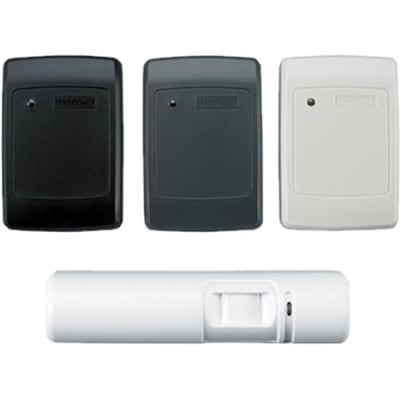


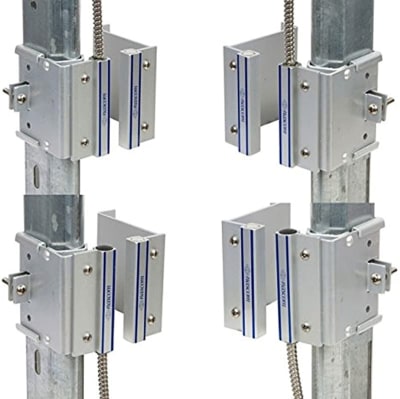


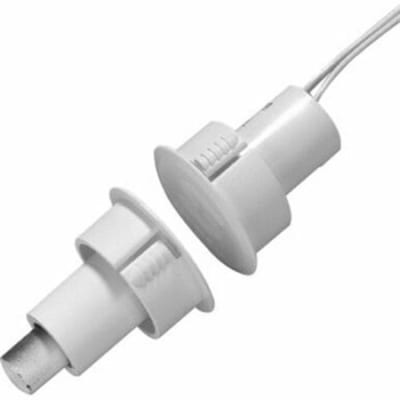



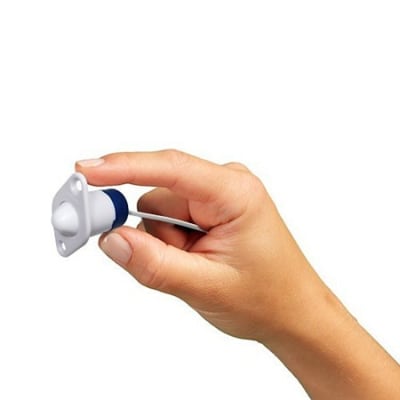




Shop security contacts and sensors for intrusion alarm systems and professional security installations. This category includes alarm contacts, magnetic contacts, door and window sensors, motion sensors, glassbreak sensors, shock sensors, and other intrusion detection devices designed to monitor protected areas and entry points.
Choose wired and wireless security sensors for residential, commercial, and professional intrusion alarm systems. Select each device according to the required detection method, installation type, alarm control panel compatibility, communication technology, and application.
Security contacts and sensors provide the detection inputs used by intrusion alarm systems. Different sensor types monitor different conditions, including the opening of doors and windows, movement within a protected area, glass breakage, impact, vibration, and other changes that may indicate an alarm condition.
ADI's current intrusion catalog includes large selections of magnetic contacts, door/window sensors, wireless contact transmitters, and other intrusion detection products. Its magnetic-contact catalog includes both wired and wireless products and multiple contact configurations.
Magnetic contacts are among the most common intrusion alarm sensors. They use a magnet and contact assembly to monitor whether a protected door, window, or other opening is open or closed.
Magnetic contacts are available in surface-mount, recessed, miniature, commercial, overhead-door, and other configurations. Depending on the model, contacts may use normally open, normally closed, SPDT, DPDT, or other contact configurations.
For a larger selection specifically focused on doors and windows, see the Window & Door Contacts category.
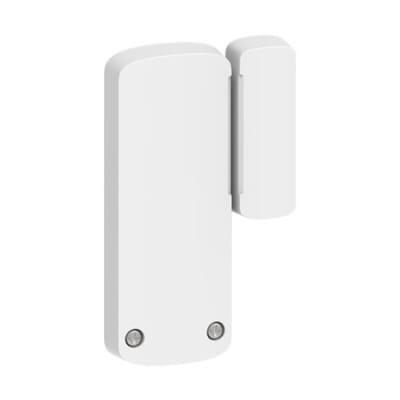
Door and window sensors monitor protected openings and are available in both wired and wireless configurations. Wireless door/window sensors commonly combine a magnetic reed switch with a wireless transmitter, allowing the device to communicate with a compatible intrusion alarm receiver or control panel.
DSC's WS4945, for example, is a wireless door/window contact with a built-in reed switch, external contact input, case and wall tamper, and wireless communication.
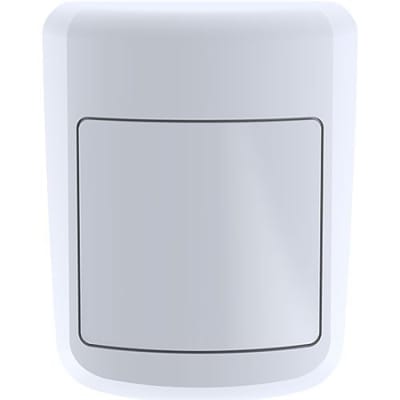
Motion sensors detect movement within a protected area and are commonly used as part of an intrusion alarm system's interior detection layer. Depending on the application, available technologies can include passive infrared, microwave, dual-technology, and other detection methods.
Resideo's current security solutions portfolio includes indoor motion detectors alongside door/window, glassbreak, and shock sensors, illustrating how these devices work together as complementary intrusion detection technologies.
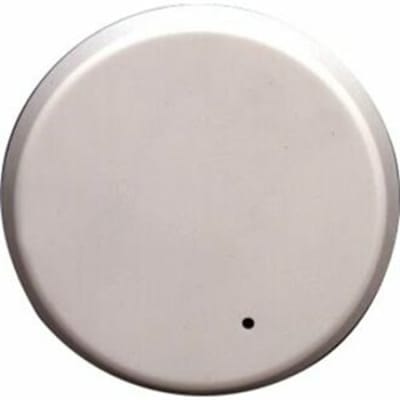
Glassbreak sensors are designed to detect the acoustic characteristics associated with breaking glass. They can provide an additional layer of perimeter protection for areas containing windows, glass doors, and other vulnerable glass surfaces.
Glassbreak sensors are available in wired and wireless configurations and may use different mounting and detection technologies depending on the manufacturer and model.
For products specifically designed for glassbreak detection, see the Glassbreak Detectors category.
Shock and vibration sensors detect physical impact or vibration associated with attempts to disturb or penetrate a protected structure. They can be used on compatible doors, windows, frames, walls, and other surfaces according to the manufacturer's installation requirements.
Resideo's security product portfolio identifies shock sensors alongside door/window contacts, glassbreak detectors, and motion detectors as intrusion detection devices.
See the Shock & Sound Sensors category for dedicated shock, vibration, and acoustic detection products.
Wired security sensors connect to compatible intrusion alarm control panels or expansion modules using physical wiring. Wired devices are commonly selected for new construction, commercial installations, and systems where dedicated cabling is available.
ADI's current intrusion catalog contains a large selection of wired magnetic contacts, with products available in different mounting configurations, contact types, and installation applications.
Wireless security sensors communicate with a compatible receiver or security control panel using the manufacturer's supported wireless technology. Wireless products can simplify installation and are available for many intrusion detection applications.
Wireless security devices may include door/window contacts, magnetic contact transmitters, motion sensors, glassbreak detectors, shock sensors, and other specialized intrusion sensors.
Always verify wireless frequency, communication protocol, receiver compatibility, battery requirements, supervision, and control-panel compatibility before selecting a wireless sensor.
Perimeter security sensors protect the exterior boundary or openings of a protected area. Depending on the system design, perimeter detection can include door contacts, window contacts, overhead-door contacts, glassbreak detectors, shock sensors, and other compatible devices.
Using multiple detection technologies allows an intrusion system to monitor different types of activity across the protected perimeter and interior areas.
Commercial security contacts and sensors are available in configurations designed for professional alarm installations. Commercial applications may require specialized magnetic contacts, heavy-duty contacts, recessed contacts, overhead-door contacts, wireless transmitters, or other sensors based on the building and installation requirements.
ADI's current catalog identifies commercial installation types across its magnetic-contact inventory, including hundreds of commercial products.
Before selecting a security contact or sensor, consider the following:
Different areas of an intrusion alarm installation require different sensor technologies. Door and window contacts are commonly used to monitor openings, while motion sensors provide interior detection. Glassbreak sensors can protect areas containing glass, and shock sensors can detect impact or vibration on compatible surfaces.
The correct combination depends on the building layout, security system design, control panel capabilities, and requirements of the individual installation.
Wired security sensors are connected to alarm inputs using physical wiring, while wireless security sensors communicate through a compatible receiver or panel. Some manufacturers also offer proprietary technologies, addressable devices, or bus-connected sensors for specific alarm platforms.
For example, current ADI inventory includes products associated with Honeywell/Resideo V-Plex, 5800, ProSeries, DSC PowerG, and other manufacturer-specific technologies.
Always verify the compatibility of a sensor with the intended intrusion alarm control panel. Wired contacts must have the appropriate electrical characteristics and contact configuration, while wireless sensors must use a compatible receiver and communication technology.
Manufacturer-specific devices may provide additional features such as supervision, tamper detection, low-battery reporting, two-way communication, or addressable identification. Check the manufacturer's documentation for the exact product and alarm platform before installation.
Security contacts and sensors are intrusion detection devices used to monitor openings, movement, impact, glass breakage, vibration, and other conditions within a security system.
Magnetic contacts are among the most common security contacts. They are used to monitor doors, windows, and other openings by detecting changes between a magnet and contact assembly.
A contact typically monitors an opening or physical state, such as whether a door or window is open or closed. A sensor is a broader term covering devices that detect conditions such as movement, glass breakage, shock, vibration, or other events.
Both wired and wireless security contacts are available. Wired contacts connect to compatible alarm inputs, while wireless contacts communicate through a compatible receiver or security control panel.
Common intrusion sensors include magnetic contacts, door/window sensors, PIR motion sensors, glassbreak detectors, shock sensors, vibration sensors, and other specialized perimeter or interior detection devices.
Choose the sensor based on the event you need to detect, the installation location, wired or wireless requirements, mounting method, alarm-panel compatibility, environmental conditions, and any required supervision or tamper features.
Most wireless security sensors use batteries, although the exact battery type and service life depend on the product. Check the manufacturer's specifications for the exact model.
Explore related intrusion categories including Window & Door Contacts, PIR Motion Sensors, Glassbreak Detectors, Shock & Sound Sensors, Hold-Up & Panic Buttons, Plunger & Toggle Switches, Zone Expanders & Expansion Modules, Control Panels, Security Keypads, Wireless Receivers, and Alarm Communicators.