GIVE US A CALL! 1 (800) 363-ALARM (2527)
Free Shipping On Most Orders Over $250 - Some Exclusions Apply

Complete your intrusion security system with related security control panels, PIR motion sensors, glassbreak detectors, shock and sound sensors, alarm keypads, wireless receivers, and other compatible intrusion detection devices.


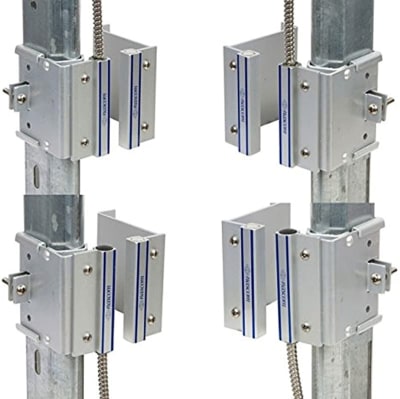


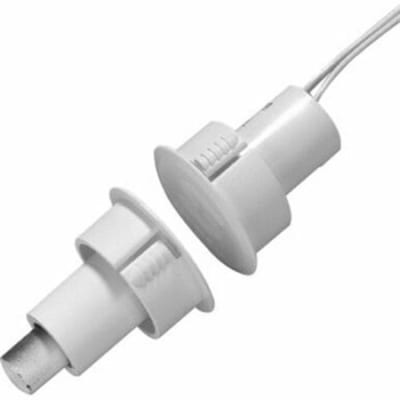


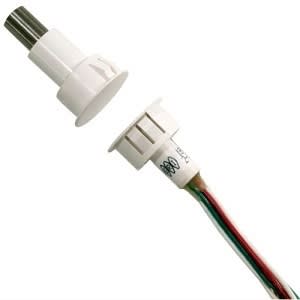


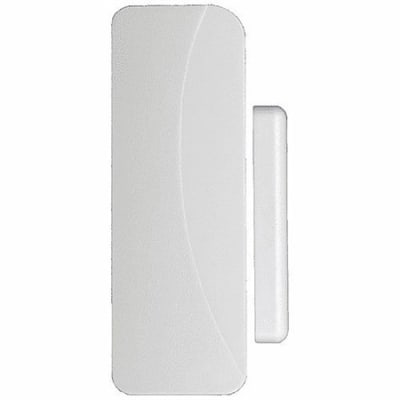
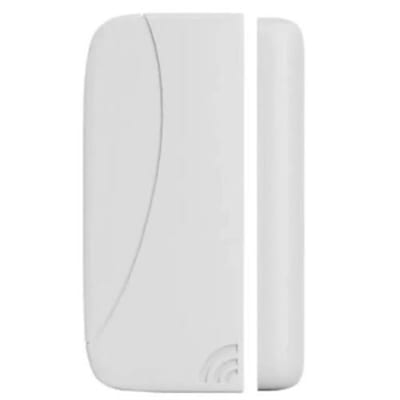

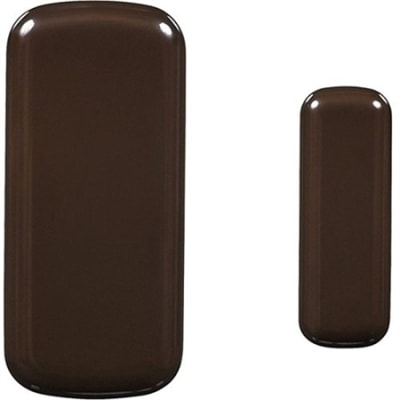


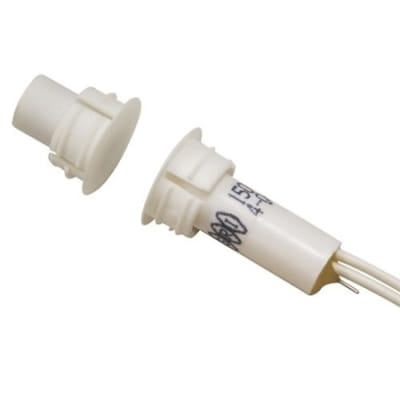

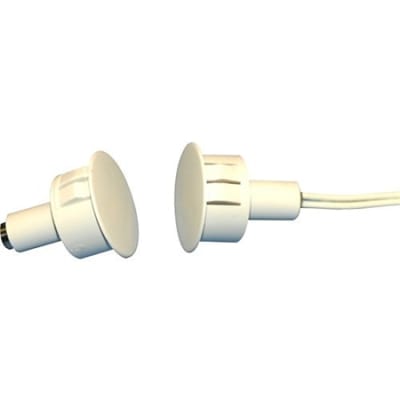


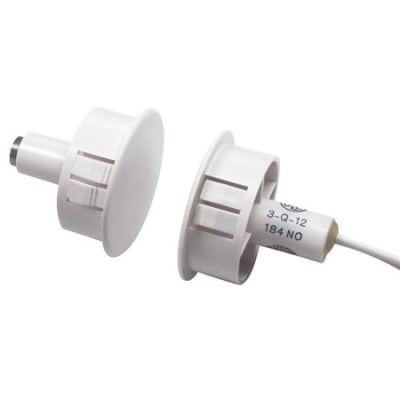


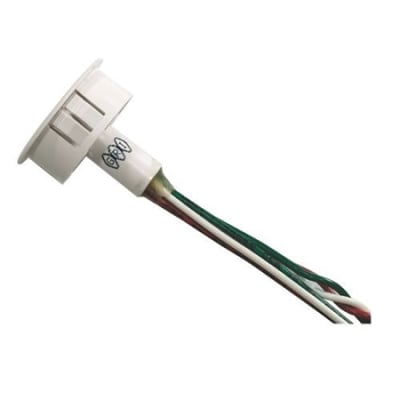


Window & Door Contacts are essential intrusion detection devices used to monitor the opening and closing of protected doors, windows, and other entry points. Also known as door/window sensors or magnetic contacts, these security devices are available in wired and wireless configurations for residential, commercial, and professional alarm systems.
JBJ Supply offers door contacts, window contacts, magnetic door sensors, magnetic window sensors, and door/window contacts designed for compatibility with a wide range of security alarm systems. Choose from surface-mount, recessed, wireless, wired, commercial-grade, and specialized contact configurations based on the installation requirements.
When selecting a door or window contact, consider the security panel compatibility, mounting method, contact configuration, magnet gap, protected opening, wiring requirements, and whether a wired or wireless sensor is required.
Window and door contacts are security sensors designed to monitor whether a protected opening is open or closed. A typical magnetic contact consists of a sensor and a magnet installed on or near the moving and stationary portions of a door or window.
When the protected opening changes position, the relationship between the contact and magnet changes. The contact then changes its electrical or wireless status, allowing the compatible alarm system to recognize an opening event.
These sensors are commonly used as part of perimeter protection and can work alongside PIR motion sensors, glassbreak detectors, shock sensors, and intrusion control panels.
Magnetic contacts are among the most common types of door and window sensors used in intrusion alarm systems. They are available in numerous sizes, shapes, contact configurations, colors, and mounting styles to accommodate different security installations.
ADI's current intrusion catalog lists magnetic contacts in a broad range of configurations, including commercial and residential installation types, normally open and normally closed contact configurations, and both wired and wireless connectivity options.
For professional installations, select the magnetic contact according to the protected opening, required magnet gap, installation surface, contact configuration, and alarm panel requirements.
Door contacts are designed to monitor doors and other movable entry points. They can be used on exterior doors, interior doors, commercial doors, service entrances, cabinets, and other openings where opening detection is required.
Door contacts are available in surface-mount and recessed configurations, with options designed for residential, commercial, and specialized security installations. Larger commercial openings may require contacts designed for greater mechanical durability or increased magnet spacing.
Window contacts monitor the opening and closing of protected windows and can provide perimeter detection as part of an intrusion alarm system.
Depending on the window construction and installation requirements, surface-mounted, recessed, wireless, and specialized magnetic contact designs may be available. Select a contact based on the window frame, installation surface, magnet alignment, required gap, and security panel compatibility.
Wired door and window contacts connect directly to compatible security alarm zones or inputs. They are commonly used in new security installations and in properties where existing alarm wiring is available.
Wired magnetic contacts are available in different electrical configurations, including normally open, normally closed, SPDT, DPDT, and other contact arrangements depending on the specific model. ADI's current magnetic-contact catalog includes a wide selection of these configurations.
Before installation, verify the required contact configuration, end-of-line requirements, wiring method, magnet gap, and compatibility with the security control panel.
Wireless door/window contacts communicate with compatible security alarm panels or receivers without requiring a dedicated wired connection between the contact and the control panel. Wireless contacts can provide additional installation flexibility when running new security wiring is impractical.
Wireless models are designed for specific security platforms and communication technologies. Features can include low-battery indication, tamper detection, supervision, signal-strength indication, and two-way communication depending on the product.
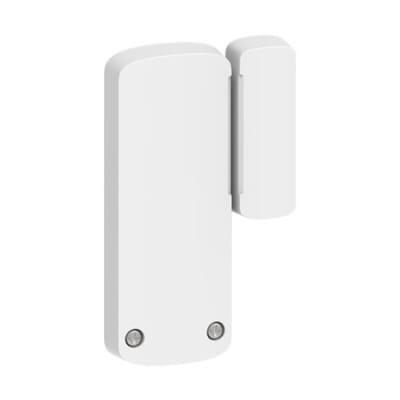
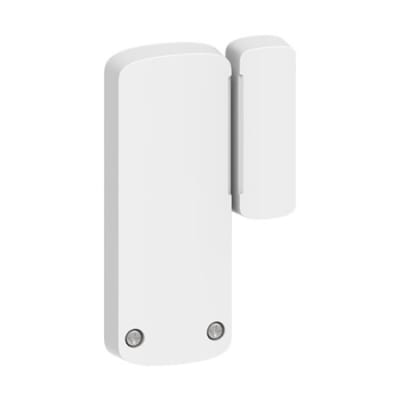
For example, DSC's PowerG PGx303 is a wireless door/window magnetic contact with a built-in reed switch, two-way PowerG communication, tamper detection, supervision, low-battery indication, and compatibility with specified PowerSeries and Qolsys panels.
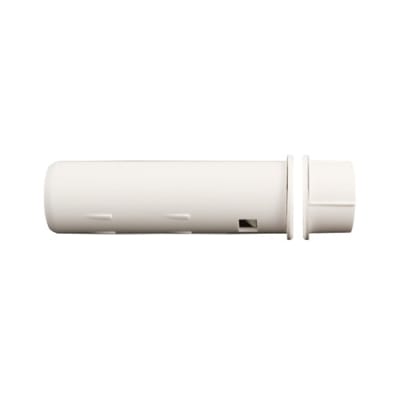
Recessed door and window contacts are installed inside the frame or protected surface rather than being mounted entirely on the visible exterior surface. This can provide a cleaner installation while maintaining magnetic opening detection.
Recessed contacts are available in different diameters, lengths, contact configurations, and magnet-gap specifications. Always verify the required hole size, installation depth, contact type, and magnet alignment before selecting a recessed contact.
Surface-mount magnetic contacts are installed directly onto the door, window, frame, or other protected surface. They are available in compact designs for residential installations as well as larger and more durable configurations for commercial applications.
Surface-mount contacts can simplify installation when recessed installation is not practical. Select the appropriate contact based on the available mounting area, magnet alignment, required gap, and environmental requirements.
Commercial door and window contacts are designed for professional intrusion alarm installations where the contact may need to withstand larger openings, frequent use, or demanding installation conditions.
Commercial magnetic contacts can include larger housings, armored or heavy-duty designs, extended magnet gaps, specialty mounting configurations, and contact arrangements intended for particular security applications.
ADI's current magnetic-contact inventory includes hundreds of commercial installation options alongside residential and hybrid installation products.
Specialized door and window contacts are available for applications that require particular mounting arrangements or additional detection functionality. Depending on the product, options can include overhead-door contacts, wide-gap contacts, recessed contacts, armored contacts, roller-ball contacts, and contacts with additional external inputs.
DSC's WS4965, for example, provides three zones in one wireless door/window contact, including a reed/magnet zone, tilt-switch mode for overhead doors, and two normally closed external contact inputs.
Security magnetic contacts are available with different electrical configurations to accommodate different alarm-system designs. Depending on the model, configurations can include normally closed (NC), normally open (NO), SPDT, DPDT, and other contact arrangements.
The correct configuration depends on the security control panel, wiring design, supervision requirements, and installation specifications. Always verify the manufacturer's electrical specifications before ordering.
Selecting the right Window & Door Contact requires matching the sensor to both the protected opening and the security system. Consider the following factors:
Window and door contacts are commonly used as perimeter detection devices in intrusion alarm systems. They can monitor primary entry doors, windows, secondary doors, service entrances, commercial openings, and other protected access points.
Door/window contacts can be combined with PIR motion sensors, glassbreak detectors, shock and sound sensors, and compatible security control panels to create multiple layers of intrusion detection.
Not every door or window contact is compatible with every security system. Wired contacts must meet the electrical and zone requirements of the alarm panel, while wireless contacts are generally designed for a particular manufacturer's wireless platform or receiver.
For wireless products, verify the exact panel family, wireless technology, frequency, enrollment requirements, supervision method, and supported devices. For wired products, verify contact configuration, resistance, wiring requirements, magnet gap, and panel zone specifications.
Window and door contacts are security sensors used to monitor whether a protected door, window, or other opening is open or closed. Magnetic contacts are among the most common types used in intrusion alarm systems.
A magnetic door contact uses a sensor and magnet to monitor the position of a door. When the door moves away from its closed position, the contact changes state and can signal a compatible security alarm system.
Many magnetic contacts can be used on either doors or windows, but the appropriate model depends on the opening, mounting method, magnet gap, contact configuration, and installation requirements.
Both wired and wireless door/window contacts are available. Wired models connect to compatible alarm zones, while wireless contacts communicate with compatible security panels or receivers.
A surface-mount contact is installed directly on the door, window, or frame, while a recessed contact is installed inside the frame or protected surface. Recessed contacts can provide a less visible installation but require suitable mounting space.
A normally closed magnetic contact maintains its normal circuit state while the protected opening is closed and changes state when the door or window opens, according to the contact's electrical design.
A wide-gap magnetic contact is designed to operate with a greater specified distance between the contact and magnet than a standard contact. This can be useful for certain doors, windows, and installation conditions.
No. Wired contacts must meet the panel's electrical and zone requirements, while wireless contacts must use a compatible wireless platform or receiver. Always verify compatibility before purchasing.