GIVE US A CALL! 1 (800) 363-ALARM (2527)
Free Shipping On Most Orders Over $250 - Some Exclusions Apply

Build a complete intrusion alarm system with related PIR motion sensors, door and window contacts, glassbreak detectors, shock and sound sensors, security keypads, alarm communicators, zone expanders, and other compatible security accessories.


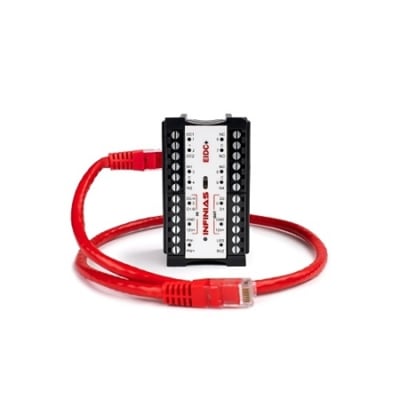
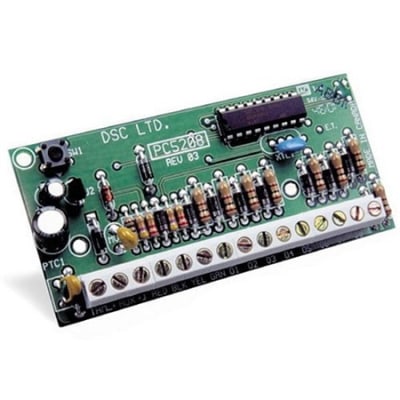





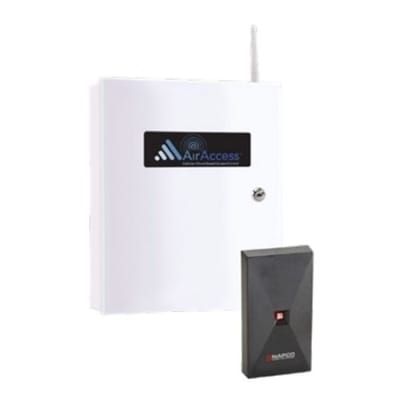
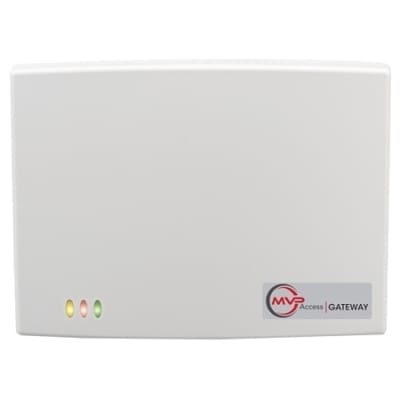


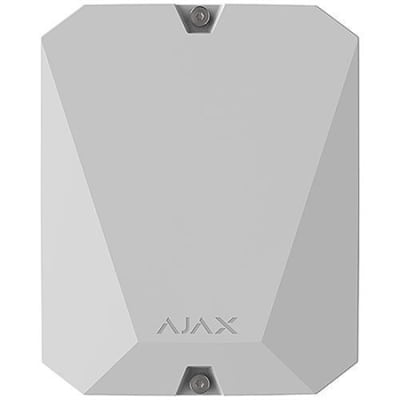


Security Control Panels are the central processing units of intrusion alarm systems, connecting security sensors, keypads, communicators, expansion modules, and other compatible devices into a complete alarm system. Also known as intrusion control panels or alarm control panels, these systems are available in configurations designed for residential, commercial, and professional security applications.
JBJ Supply offers intrusion alarm control panels from leading security manufacturers, including wired, wireless, hybrid, expandable, and addressable system options. Select a control panel based on the number of zones required, supported wired and wireless devices, partitions, communication options, expansion capabilities, keypad compatibility, and the requirements of the installation.
Whether you are building a new security system or expanding an existing installation, choosing the correct security system control panel is essential for ensuring compatibility with the sensors, keypads, communicators, and accessories used throughout the system.
An intrusion control panel is the central controller of a security alarm system. It receives signals from connected detection devices, processes system events, manages user commands, and communicates alarm and system status information through compatible reporting equipment.
Depending on the model, a security control panel may support door and window contacts, PIR motion sensors, glassbreak detectors, shock sensors, smoke detectors, keypads, wireless receivers, alarm communicators, relays, automation devices, and other compatible system components.
Modern control panels are available in different capacities and architectures, allowing installers to select a system appropriate for the size and requirements of the protected property.
Wired alarm control panels connect to security sensors and other system devices using physical wiring. Wired systems can provide a dependable installation platform for new construction, commercial properties, and locations where structured security wiring is already available.
Wired control panels are available with different numbers of onboard zones and can often be expanded with compatible zone expanders, wireless receivers, relay modules, keypads, and communication devices.
Wireless security control panels are designed to communicate with compatible wireless security sensors and peripherals. They can provide installation flexibility when running new sensor wiring is impractical.
Wireless compatibility is platform-specific. Before purchasing a wireless control panel, verify the supported wireless technology, compatible sensors, keypads, receivers, communicators, and system accessories.
Hybrid security control panels combine wired and wireless device support within the same security system. Hybrid systems can be useful when an installation includes existing wired zones while also requiring additional wireless sensors or other wireless devices.
Hybrid control panels can provide installers with greater flexibility when expanding an existing alarm system or designing a security system with different device types.
Expandable alarm control panels allow the system to grow beyond the panel's initial onboard zone capacity. Expansion may be provided through wired zone expanders, wireless receivers, additional modules, or compatible keypad and bus devices.
For example, DSC PowerSeries Neo control panels are available in multiple capacities. The HS2016 supports expansion to 16 wireless and hardwired zones, while the HS2128 supports up to 128 wireless and hardwired zones, allowing installers to select panel capacity according to the installation.
Honeywell VISTA control panels are widely used intrusion alarm platforms available in configurations for different installation sizes and requirements. Honeywell describes VISTA panels as versatile intrusion control panels with options for wired zones, wireless expansion, IP reporting, and compatible communication equipment.
When selecting a VISTA-compatible control panel, verify the exact panel model, supported zones, wireless capabilities, compatible keypads, expansion modules, communicators, and other system accessories.
DSC security control panels include multiple PowerSeries Neo models designed for different system capacities. The PowerSeries Neo family includes panels supporting different numbers of onboard and expandable zones, partitions, keypads, user codes, and programmable outputs.
Choosing the correct DSC control panel requires matching the panel to the desired security devices, zone capacity, communication requirements, partitions, and expansion modules.
Zones are an important specification when selecting an alarm control panel. A zone can be used to monitor a compatible security device or group of devices according to the system's configuration.
Control panels vary significantly in the number of onboard zones they provide and how far the system can be expanded. For example, DSC's PowerSeries Neo family ranges from lower-capacity panels to models expandable to 128 wireless and hardwired zones.
When selecting a panel, consider both the number of devices required today and potential future expansion.
Many professional alarm control panels support multiple partitions, allowing portions of the security system to be configured and operated separately according to the requirements of the installation.
Partition capacity varies by control panel. Larger systems may require multiple partitions for different areas, buildings, departments, tenants, or other independently managed sections of a security installation.
Modern security control panels can support multiple methods of communicating alarm and system information. Depending on the panel and compatible equipment, communication options may include IP, cellular, telephone, or other manufacturer-specific technologies.
Honeywell VISTA systems, for example, provide IP reporting and upload/download capabilities with compatible communication equipment, while certain configurations can use Internet or cellular communication devices.
Always verify the exact communicator and service compatibility for the control panel being selected.
Security keypads provide the user interface for arming, disarming, programming, and viewing system status. Control panels may support specific wired keypads, touchscreen keypads, wireless keypads, or other manufacturer-specific interfaces.
Keypad compatibility varies between security platforms. Verify the control panel's supported keypad models and communication bus before purchasing additional keypads.
Security systems can often be expanded with compatible modules designed to increase system functionality. Depending on the control panel, expansion equipment may include zone expanders, wireless receivers, relay modules, power supplies, communication modules, automation interfaces, and other accessories.
Expansion capability is especially important when selecting a control panel for a growing installation. Choosing a panel with adequate expansion capacity can reduce the need to replace the main control panel as additional devices are added.
Selecting the right security control panel starts with determining the size and requirements of the intrusion alarm system. Consider the following factors:
Intrusion control panels are used in a wide range of security installations, including homes, offices, retail locations, warehouses, commercial buildings, professional facilities, and other monitored properties.
The correct panel depends on the size of the installation, number and type of security devices, communication requirements, user requirements, and desired expansion capabilities.
Security control panels are platform-specific and are not universally interchangeable. A panel must be compatible with the sensors, keypads, receivers, expansion modules, communicators, and other equipment used in the installation.
Before ordering, verify the exact manufacturer and model family, zone requirements, wireless technology, keypad compatibility, expansion modules, communication equipment, power requirements, and applicable certifications.
A security control panel is the central controller of an intrusion alarm system. It receives information from compatible security devices, processes system events, manages user commands, and communicates alarm and system status information.
An intrusion control panel is a control panel designed to manage an intrusion or security alarm system. It can connect compatible sensors, keypads, communicators, expansion modules, and other security devices.
In security-system terminology, alarm panel and control panel are often used to describe the same central security-system controller. Product terminology varies by manufacturer and system family.
Both wired and wireless security control panels are available. Hybrid panels can support combinations of wired and wireless security devices depending on the specific system platform.
The required number of zones depends on the number of security devices and how the system is designed. Consider both the current device count and potential future expansion when selecting a panel.
Many control panels support expansion through compatible zone expanders, wireless receivers, keypads, relay modules, communication devices, and other accessories. Expansion capabilities vary by model.
No. Compatibility depends on the panel architecture, wired or wireless technology, communication protocol, zone requirements, and manufacturer platform. Always verify compatibility before purchasing.
Consider zone capacity, wired and wireless support, expansion capability, partitions, keypad compatibility, communication options, supported sensors, user capacity, programmable outputs, certifications, and the overall requirements of the security installation.