GIVE US A CALL! 1 (800) 363-ALARM (2527)
Free Shipping On Most Orders Over $250 - Some Exclusions Apply



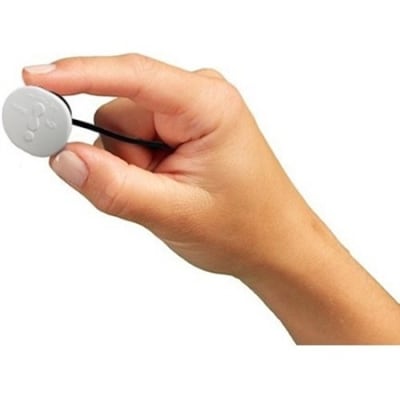
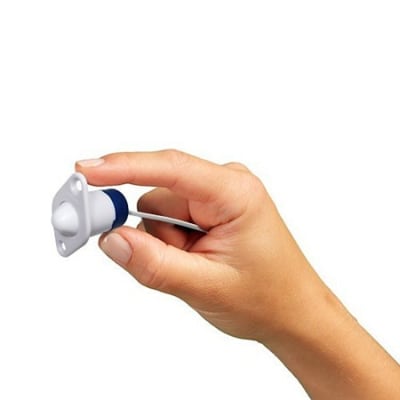
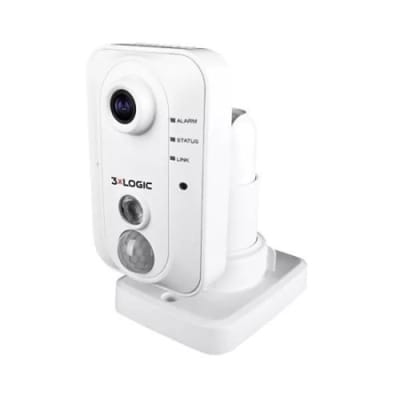




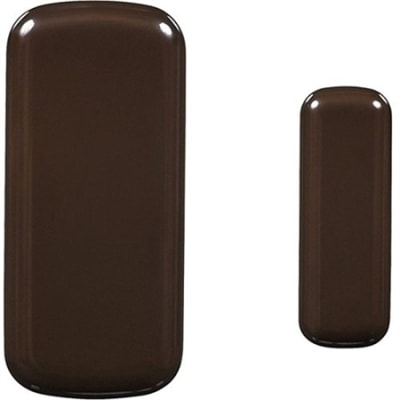


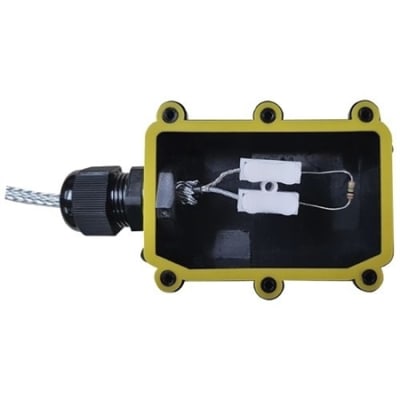


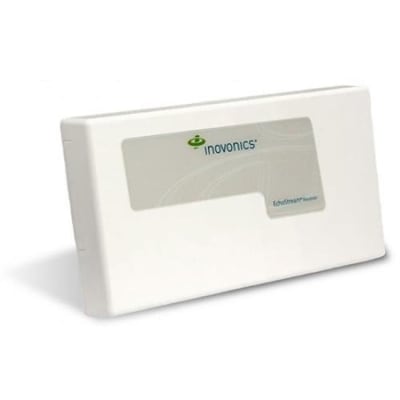


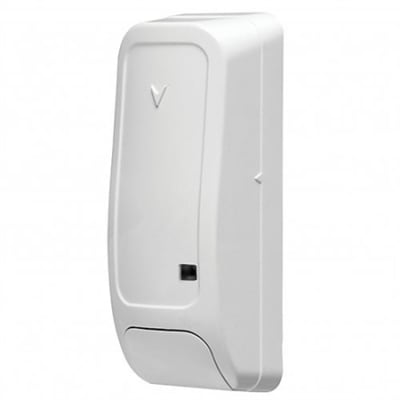

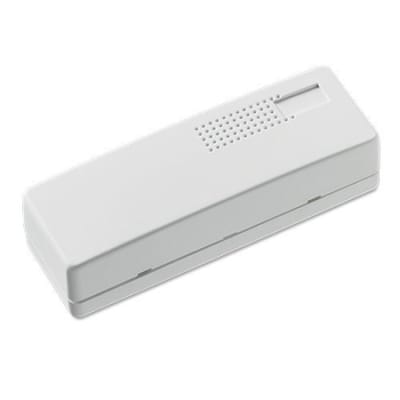
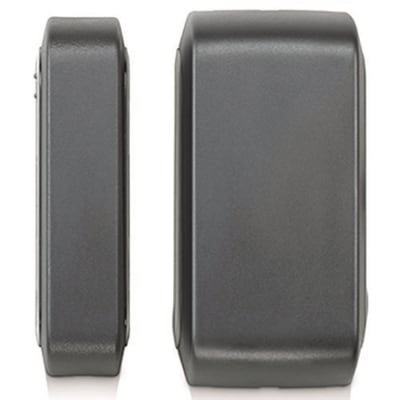
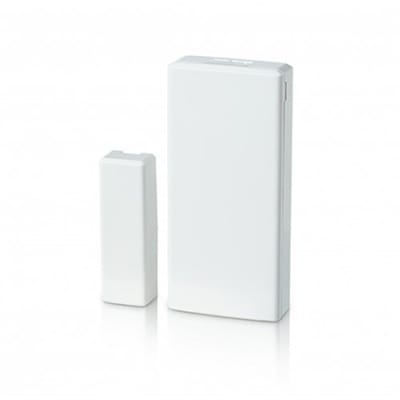
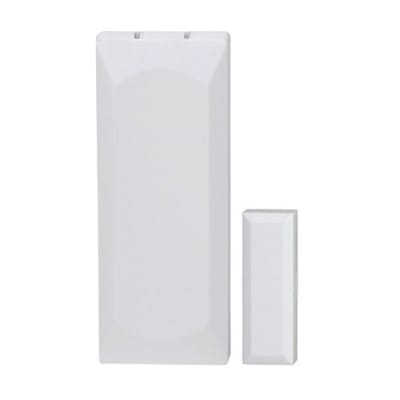
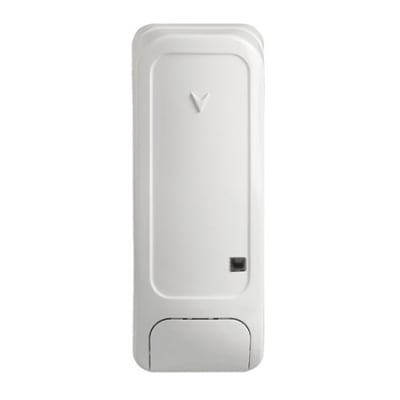
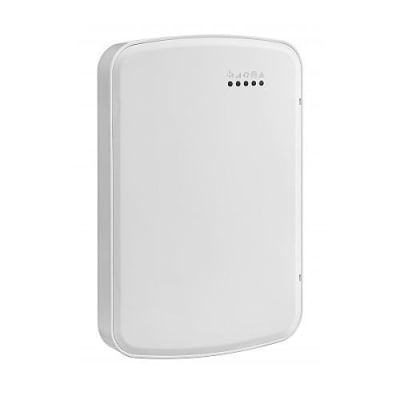


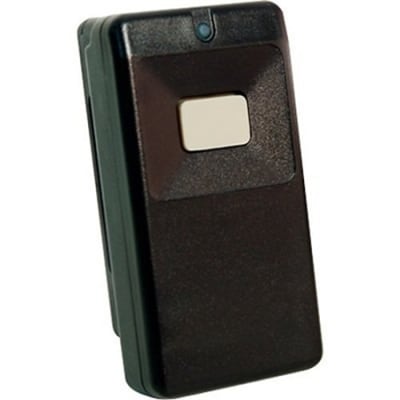




Shop wireless intrusion security products for compatible residential and commercial alarm systems. Find wireless security sensors, door and window contacts, motion detectors, glassbreak sensors, transmitters, receivers, keypads, sirens, and compatible wireless alarm equipment. Whether you are expanding an existing installation or building a new wireless security system, choose devices that match your control panel, wireless protocol, and installation requirements.
Wireless intrusion products communicate with compatible security panels and receivers to report sensor activity and system conditions. Product features vary by manufacturer and model, so verify wireless compatibility, operating frequency, supervision, power requirements, and supported system functions before ordering.
Wireless security systems use radio communication between compatible sensors and security equipment to monitor designated areas. Depending on the system design, wireless devices can report door or window openings, motion, glassbreak events, tampering, and other supported conditions.
Wireless intrusion products are available for residential, commercial, retrofit, and professional security installations. The appropriate equipment depends on the size of the installation, the supported wireless technology, the control panel, and the detection requirements.
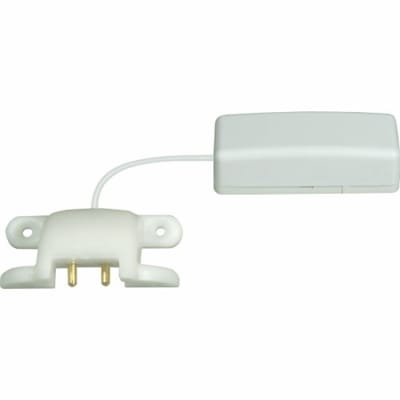
Wireless intrusion sensors detect activity or changes in a monitored area and communicate with a compatible security system. Common product types include magnetic door and window contacts, passive infrared (PIR) motion detectors, glassbreak sensors, and other perimeter detection devices.
When selecting wireless sensors, compare detection range, mounting options, environmental suitability, battery requirements, tamper protection, and compatibility with the installed panel or receiver.
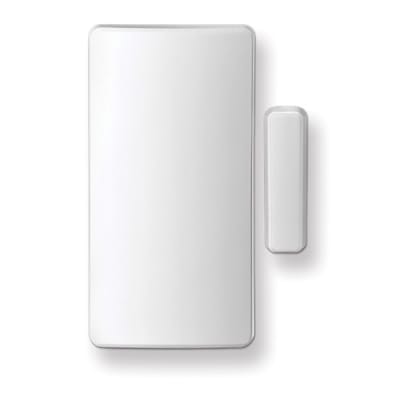
Wireless door and window contacts monitor the status of a protected opening. Many models use a magnetic contact to detect when a door or window opens, then transmit the event to the compatible alarm system.
Available designs may include surface-mounted contacts, recessed contacts, compact sensors, and commercial contact transmitters with additional inputs. Check the transmitter technology, installation method, contact configuration, and supported wireless platform before choosing a model.
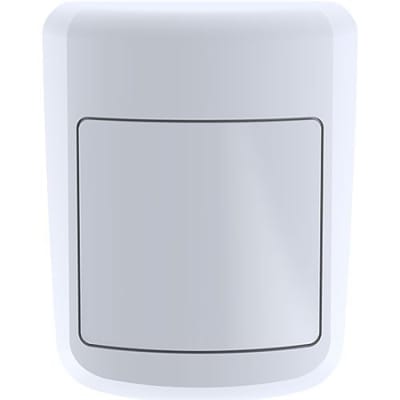
Wireless motion sensors detect movement within a designated coverage area. Passive infrared (PIR) detectors are common in intrusion alarm systems, and selected models may include pet-immunity features, curtain-style coverage, or other specialized detection patterns.
Choose a wireless motion detector based on the room or area being monitored, required coverage, mounting position, environmental conditions, and the wireless protocol supported by your security panel.
Wireless glassbreak sensors are designed to detect specified acoustic patterns associated with breaking glass. Other wireless perimeter sensors can monitor particular boundaries or openings according to their design.
Check the manufacturer's detection specifications, recommended placement, coverage limitations, and compatibility with your alarm system. Glassbreak sensors and magnetic contacts serve different detection purposes and may be used together in a coordinated security installation.
Wireless security transmitters communicate the status of supported contacts or external sensors to a compatible receiver or control panel. Depending on the model, a transmitter may include a built-in contact or provide inputs for compatible external devices.
Before purchasing, verify the supported sensor inputs, wireless technology, supervision features, power source, and system compatibility. A transmitter designed for one wireless platform may not operate with another manufacturer's receiver.
Wireless receivers receive signals from compatible wireless security devices. Depending on the system, repeaters may extend communication coverage, while transceivers can support two-way communication between compatible equipment.
Not every alarm system requires a separate receiver or repeater. Confirm the control panel's built-in wireless capabilities, supported devices, coverage requirements, and manufacturer's recommendations before adding wireless communication equipment.
Wireless alarm keypads and control panels provide user interaction, system management, and support for compatible security devices. Some systems use a dedicated wireless keypad, while others combine wireless communication, system controls, and smart-security functions in a single platform.
Choose the panel and keypad according to the installation's zone capacity, supported wireless devices, user interface, communication options, and expansion requirements. Verify that the exact keypad and sensors are supported by the selected panel.
Wireless sirens and notification devices provide audible or visual alerts as part of compatible security systems. Product options can include indoor sirens, outdoor sirens, and devices with additional status or tamper features.
Check whether the siren communicates directly with the panel or requires a compatible receiver or other interface. Review the product's power source, installation rating, supervision support, and system compatibility.
Wireless intrusion products can support residential security, small commercial installations, retrofit projects, and larger professional systems. Product selection should account for the building layout, required detection coverage, system capacity, and the wireless technology used by the installation.
For commercial projects, pay particular attention to device supervision, communication coverage, tamper reporting, system expansion, and the manufacturer's supported installation requirements. Confirm that each device is approved for the intended environment and application.
Wireless security devices commonly use manufacturer-specific communication protocols. For example, ADI's catalog includes products from multiple security brands and product families, including DSC PowerG and Honeywell Home VISTA and ProSeries devices. These product families should not be assumed to be interchangeable.
Before purchasing, check the exact panel model, compatible receiver, wireless protocol, supported device list, and any required firmware or programming. Matching products by appearance or by the general term “wireless” is not sufficient to establish compatibility.
A wireless intrusion system uses compatible wireless sensors and security equipment to detect and report conditions such as door openings, motion, or other monitored events to an alarm panel or receiver.
No. Compatibility depends on the panel, wireless protocol, frequency, receiver, and supported device family. Always verify the manufacturer's compatibility information for the exact model.
Depending on the catalog, the category may include wireless door and window contacts, motion detectors, glassbreak sensors, transmitters, receivers, repeaters, keypads, sirens, and compatible control equipment.
Many wireless sensors are battery-powered, but power requirements vary by product. Check the individual specifications for battery type, expected service life, and low-battery reporting.
A repeater may be appropriate when a compatible system requires additional wireless communication coverage. Whether one is needed depends on the system design, building conditions, device placement, and manufacturer guidance.
In many cases, additional wireless devices can be added if the existing panel or receiver supports them and has sufficient capacity. Verify the model compatibility, enrollment procedure, and system limits before purchasing.
Other names for these items: